
How Spray-On Truck Bedliners Are Professionally Installed
A pickup truck is a versatile vehicle, built to handle demanding tasks, transport heavy loads, and navigate challenging terrains. The utility of a truck is centered around its cargo bed, which is continuously exposed to heavy impacts, shifting cargo, harsh weather, and corrosive chemicals. Unprotected metal beds can scratch, dent, and rust, leading to premature structural decay. To preserve the utility and value of these utility vehicles, many owners seek long-term protection options. Among the available choices, a professional polyurethane lining offers the ultimate shield against daily wear and tear. This process requires specialized training, specialized equipment, and premium materials to ensure a seamless and durable finish. According to Zippia, there are over 11,830 bedliner spray technicians currently employed in the United States. This significant workforce highlights the widespread demand for professional protective coatings and the complexity of the application process. Attempting to apply a protective lining without expert training can lead to peeling, uneven textures, and inadequate coverage. Choosing to work with an established spray on bedliner company ensures that the application is executed with precision, resulting in a durable shield that protects the vehicle for a lifetime. Let's explore the professional steps required to achieve a flawless finish.
Preparing the Vehicle Surface For Application
The success of any professional coating application is determined long before the spraying process begins. The initial stage of preparation involves a meticulous, deep cleaning of the truck bed to remove all traces of grease, oil, road grime, and debris. Any foreign substance left on the metal can prevent the chemical coating from bonding correctly, leading to future bubbling or peeling. Technicians begin by washing the entire bed with specialized heavy-duty degreasers and high-pressure water systems. Once the bed is completely dry, the tailgates, tie-down brackets, and cargo lights are carefully uninstalled. Removing these accessories ensures that every corner of the metal receives full coverage and prevents the hardware from becoming permanently fused to the bed by the high-strength polyurethane. Technicians also inspect the bed for any existing rust or structural damage, treating affected spots with specialized chemical rust converters to stop corrosion in its tracks. This intensive cleaning process establishes a clean foundation, allowing the subsequent chemical layers to bond seamlessly with the metal substrate.
Masking the Surrounding Body Panels For Protection
Because the application involves high-pressure spraying of a rapid-curing chemical, protecting the glossy factory paint of the vehicle is a critical requirement. Even the slightest overspray of polyurethane can ruin the appearance of the vehicle and is extremely difficult to remove without damaging the clear coat. To prevent this, technicians execute an intensive masking process, covering every inch of the truck body that is not meant to receive the liner. Using premium automotive tape, heavy-duty plastic sheeting, and protective paper, the crew shields the cab, rear quarters, tail lights, and exhaust pipes. A key tool used during this stage is a specialized wire trim tape, which is applied precisely along the desired edge of the liner. This tape contains a high-strength metal wire embedded within the adhesive strip. When the spraying is complete, pulling the wire cuts through the curing polyurethane with absolute precision, creating a clean, sharp, and professional line without using a blade that could scratch the underlying metal. This detailed masking process ensures that the protective barrier looks integrated and maintains the aesthetic appeal of the vehicle.
Sanding the Truck Bed Surface For Adhesion
Chemical bonding requires a microscopic texture to hold onto, which is why abrading the factory paint is a crucial step in the process. A glossy, smooth clear coat provides no mechanical grip, causing the polyurethane to slide off and peel under the stress of shifting cargo. To prevent this, technicians utilize specialized orbital sanders, abrasive pads, and sanding cups to completely scuff the entire surface of the bed. Every corner, groove, and wheel well must be thoroughly abraded until the shiny paint is replaced by a dull, scratched texture. This physical abrasion process does not damage the structural steel of the vehicle; instead, it removes the outer layer of clear coat and paint, creating millions of microscopic ridges that the polyurethane can grip securely. Once the sanding is complete, the bed is vacuumed and wiped down with specialized chemical solvents to remove every trace of sanding dust. This thorough cleaning ensures that the surface is completely pristine and ready to receive the high-strength chemical coating, guaranteeing a bond that will never separate.
Spraying the Polyurethane Lining For Strength
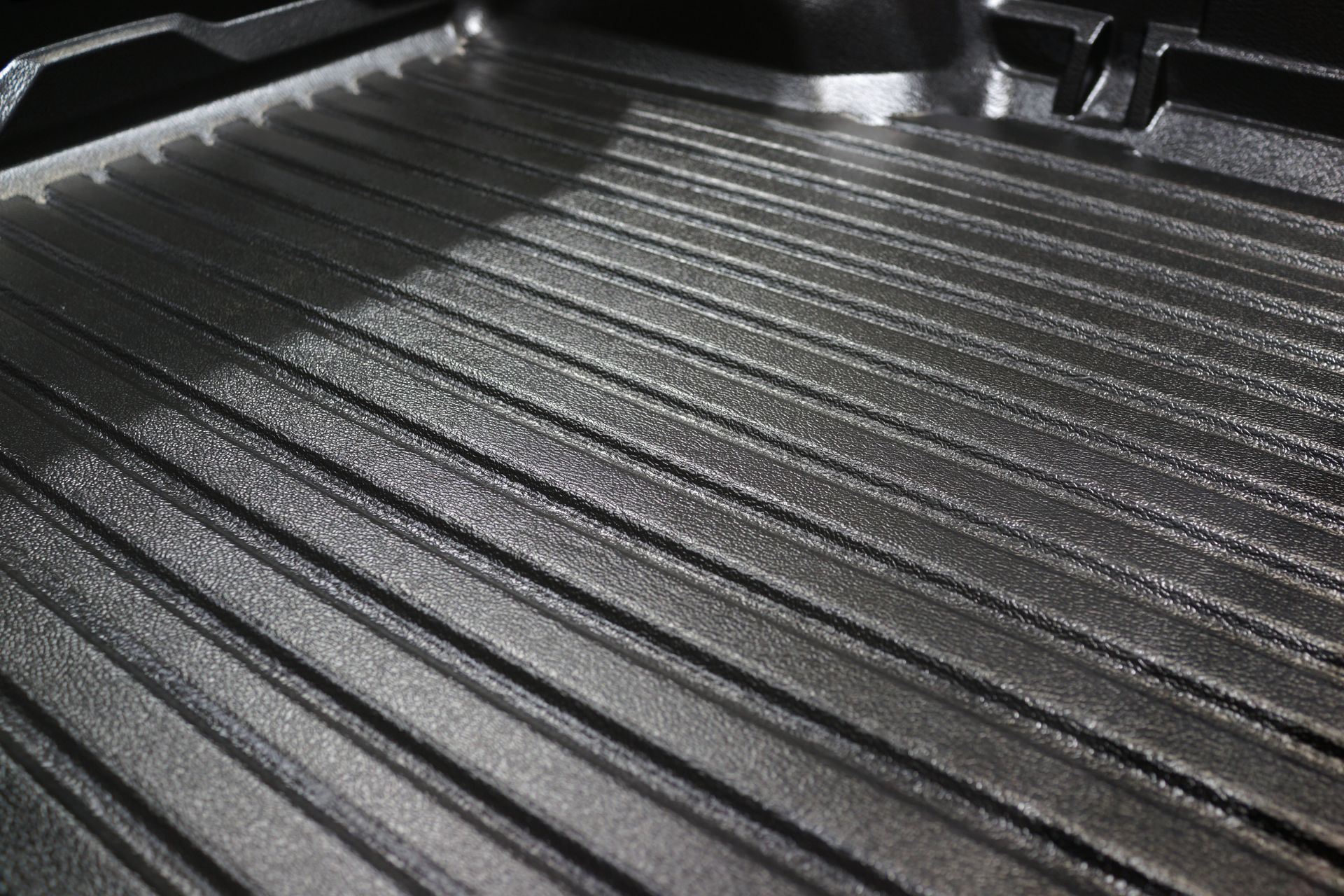
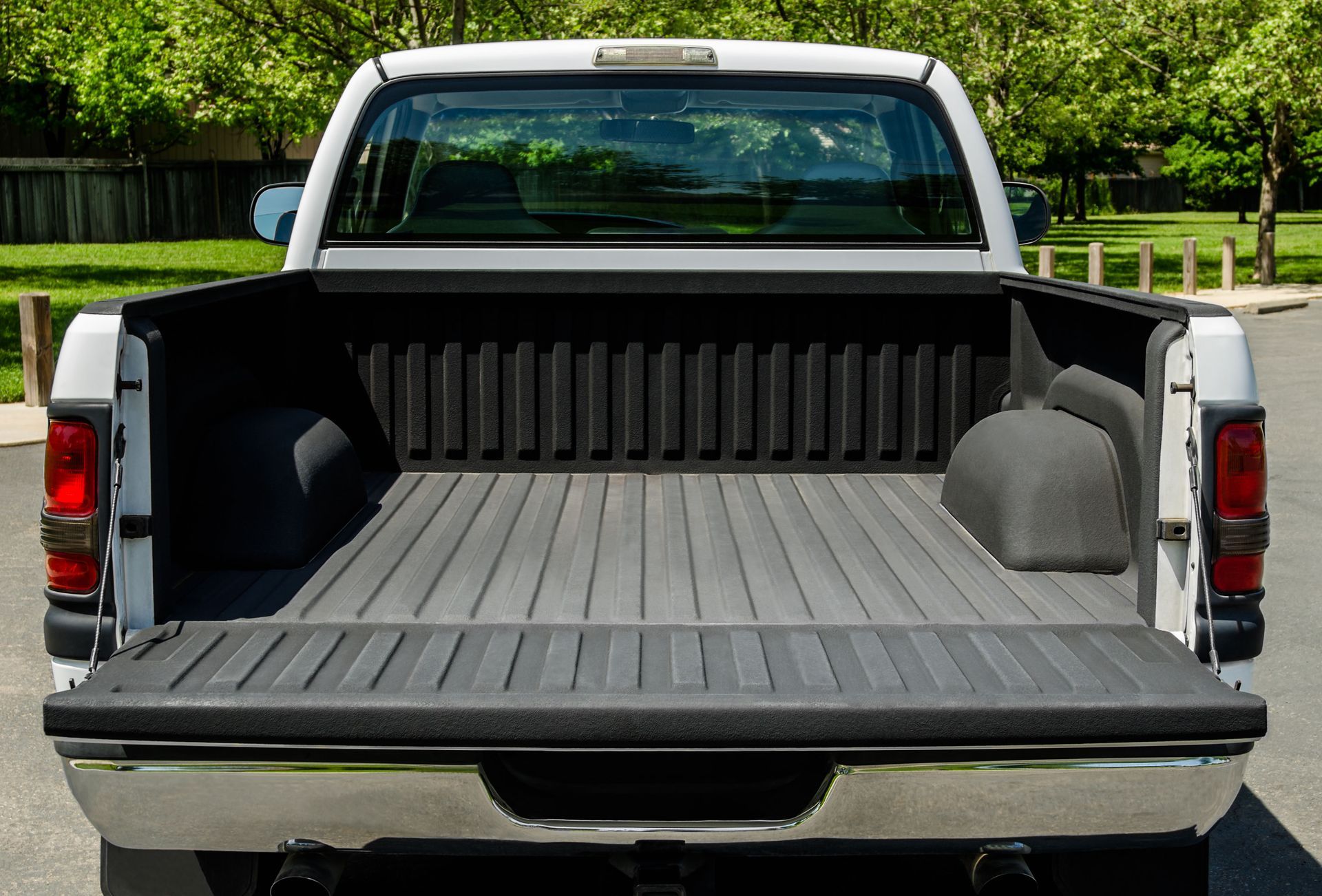
Once the preparation, masking, and sanding are finished, the vehicle is moved into a dedicated, ventilated spray booth for the application. This stage requires the specialized skills of a professional spray on bedliner company, as the chemical reaction must be managed with absolute precision. The lining material consists of a dual-component polyurethane elastomer, which is heated to a high temperature and pressurized using industrial-grade plural-component equipment. The chemicals travel through separate heated hoses and mix together at the tip of the spray gun just a fraction of a second before hitting the metal bed. Because the chemical reaction occurs almost instantly, the material cures and hardens within moments of application. The technician applies multiple uniform passes across the bed, building up a thick, durable layer that encapsulates the metal. This high-pressure system allows the technician to control the texture and thickness of the liner, ensuring that high-wear areas like the floor and wheel wells receive a thicker coating for maximum impact resistance. This seamless, non-porous barrier permanently seals the metal bed, preventing moisture and oxygen from initiating the rust process.
Curing the Protective Seal For Inspection
The rapid curing of the polyurethane allows for a fast turnaround time, but a detailed quality inspection is still required to guarantee perfection. Within minutes of the final spray pass, the material is solid to the touch and can withstand handling. The technicians immediately begin removing the masking paper, plastic sheeting, and the wire trim tape while the polyurethane is still warm and flexible. Removing the masking materials at this stage ensures clean, sharp borders and prevents any tearing of the freshly applied lining. Once the masking is cleared, the uninstalled tailgates, tie-downs, and accessory brackets are carefully reassembled, with special care taken to ensure all bolts are torqued correctly. The vehicle then undergoes a meticulous visual and physical inspection. Technicians verify that the lining has achieved the correct thickness, has no thin spots, and features a uniform texture across every surface. This detailed quality check ensures that the liner is free of defects and fully prepared to withstand years of heavy utility and environmental exposure, delivering a reliable, long-lasting defense for the truck bed.
At LINE-X of Chesapeake, our team is deeply committed to protecting your truck and extending its utility with our premium protective solutions. We understand that your vehicle is a vital tool for your daily work and family adventures, and we are dedicated to providing the meticulous preparation, advanced high-pressure technology, and exceptional craftsmanship your truck deserves. We warmly invite you to contact our experienced technicians or visit our state-of-the-art facility today to schedule your professional application, and let us help you safeguard your truck with a superior
spray on bedliner company that keeps your vehicle looking pristine, performing flawlessly, and retaining its value for many years to come.












Share On: